
Speed Sensors for High-Speed Applications
When precision and speed are paramount, our selection of **High Frequency (20 kHz) Speed Sensors** delivers the critical data your high-speed applications demand. These sophisticated **hız-sensörleri** are engineered for scenarios where standard sensors fall short, providing accurate measurements even in the fastest-moving machinery. From real-time monitoring in rapidly rotating equipment to precise control in ultra-fast manufacturing processes, our **High Frequency (20 kHz) Speed Sensors** are indispensable. Choosing the right sensor involves considering factors like output type, environmental resistance, and integration compatibility, ensuring seamless operation within your existing systems. Explore IMB Electric's comprehensive stock today to find the perfect solution for your intricate high-speed sensing needs.
Product series matching this filter
The series below fit the filter criterion you selected under this category.
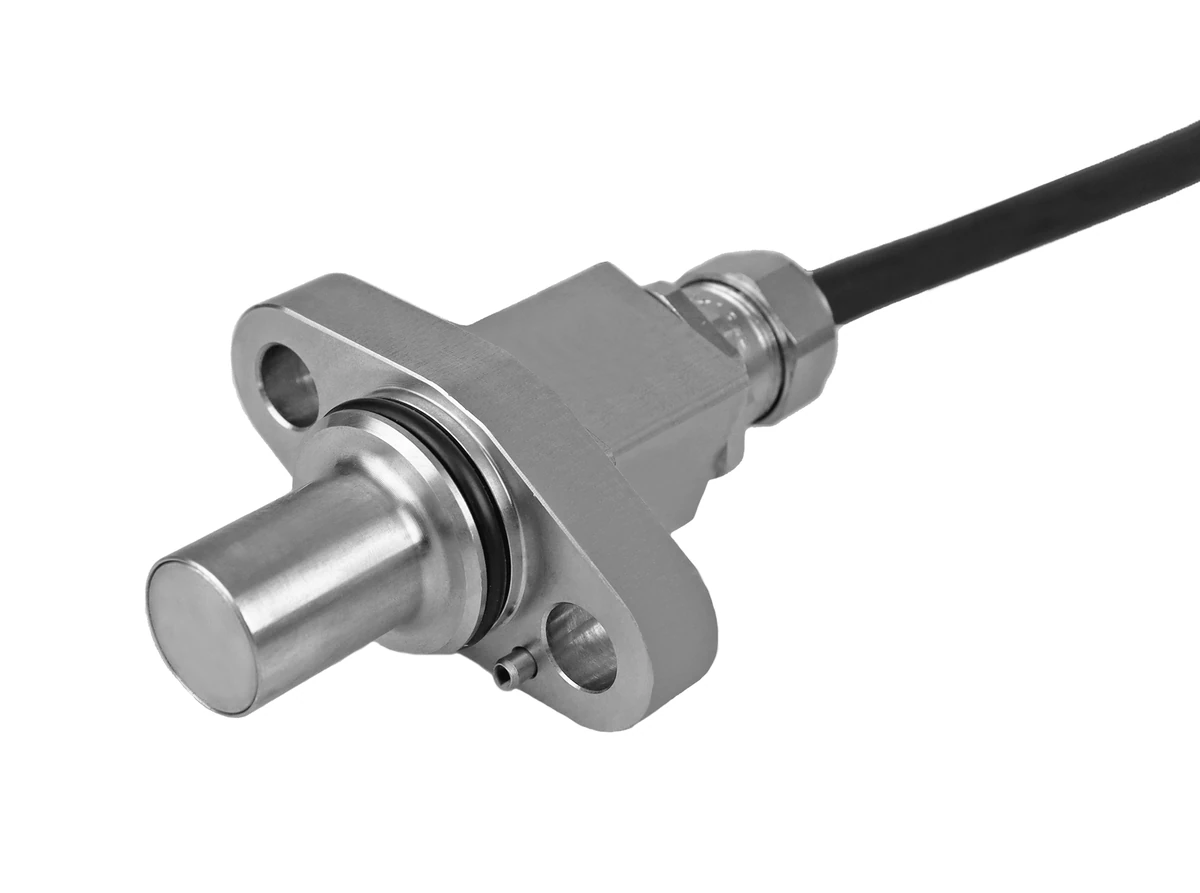
3–4 channel, stainless steel flange, Hall
- range0–20 kHz
- outputVoltaj veya akım
- housingPaslanmaz çelik flanş
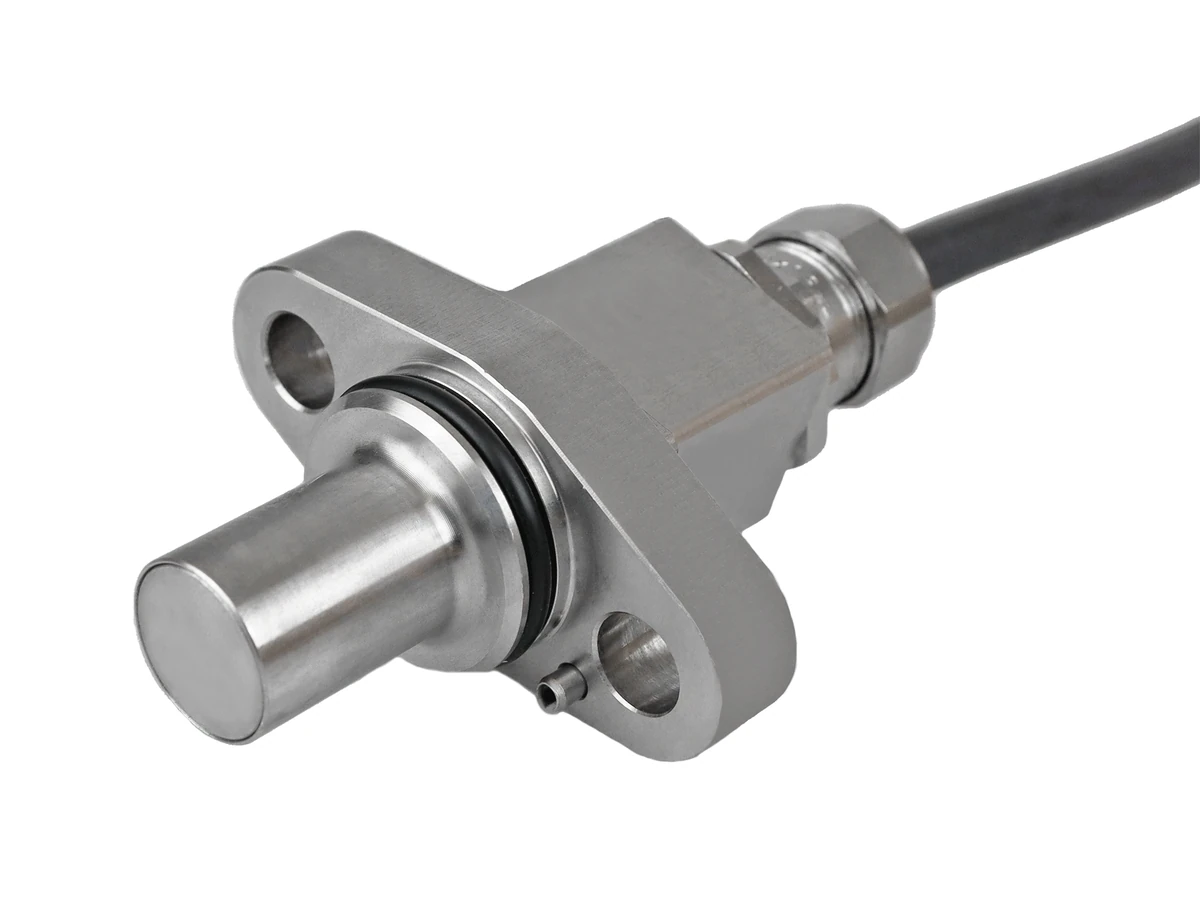
Stainless steel flange, Hall / Eddy-current
- range0–20 kHz
- housingPaslanmaz çelik flanş
- channels1–4
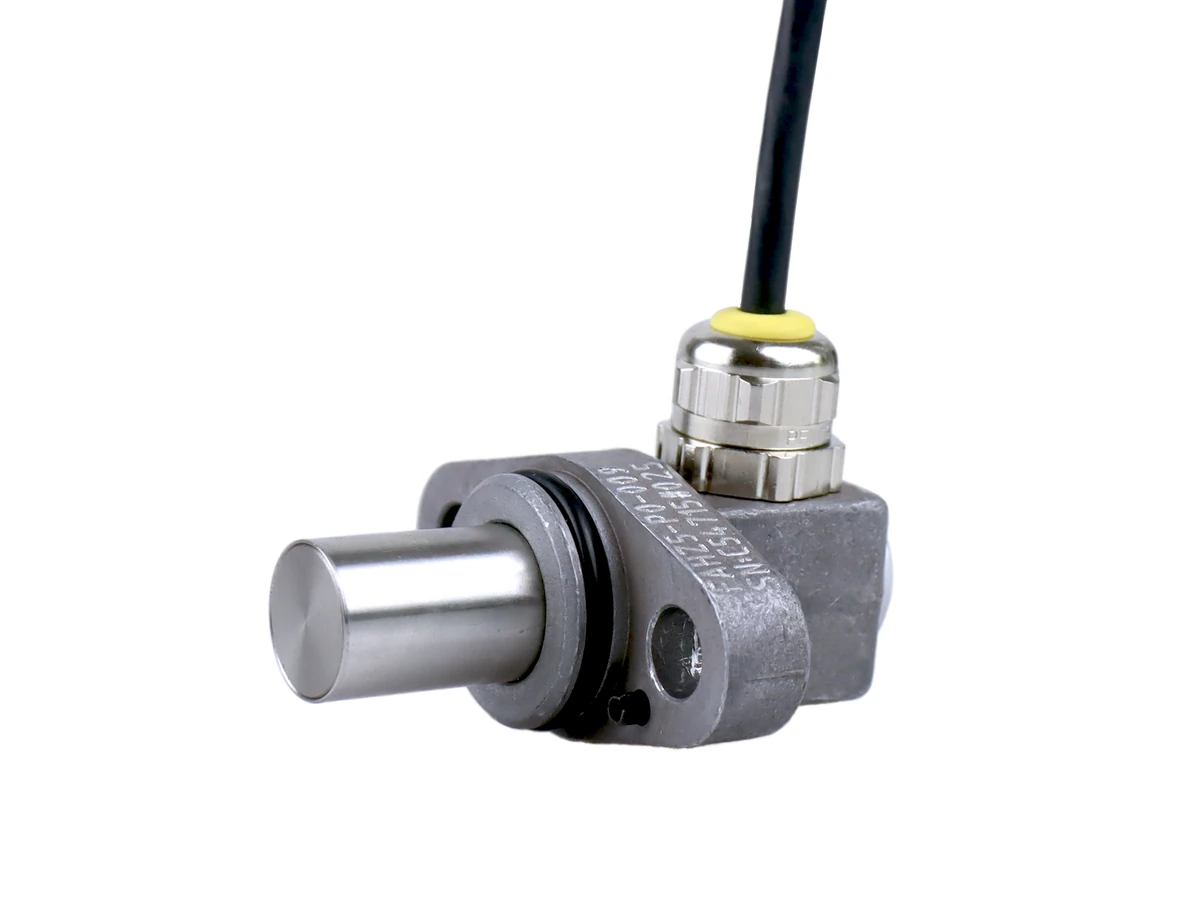
Aluminium flange, optimised for rail
- range0–20 kHz
- housingAlüminyum flanş
- channels1–2
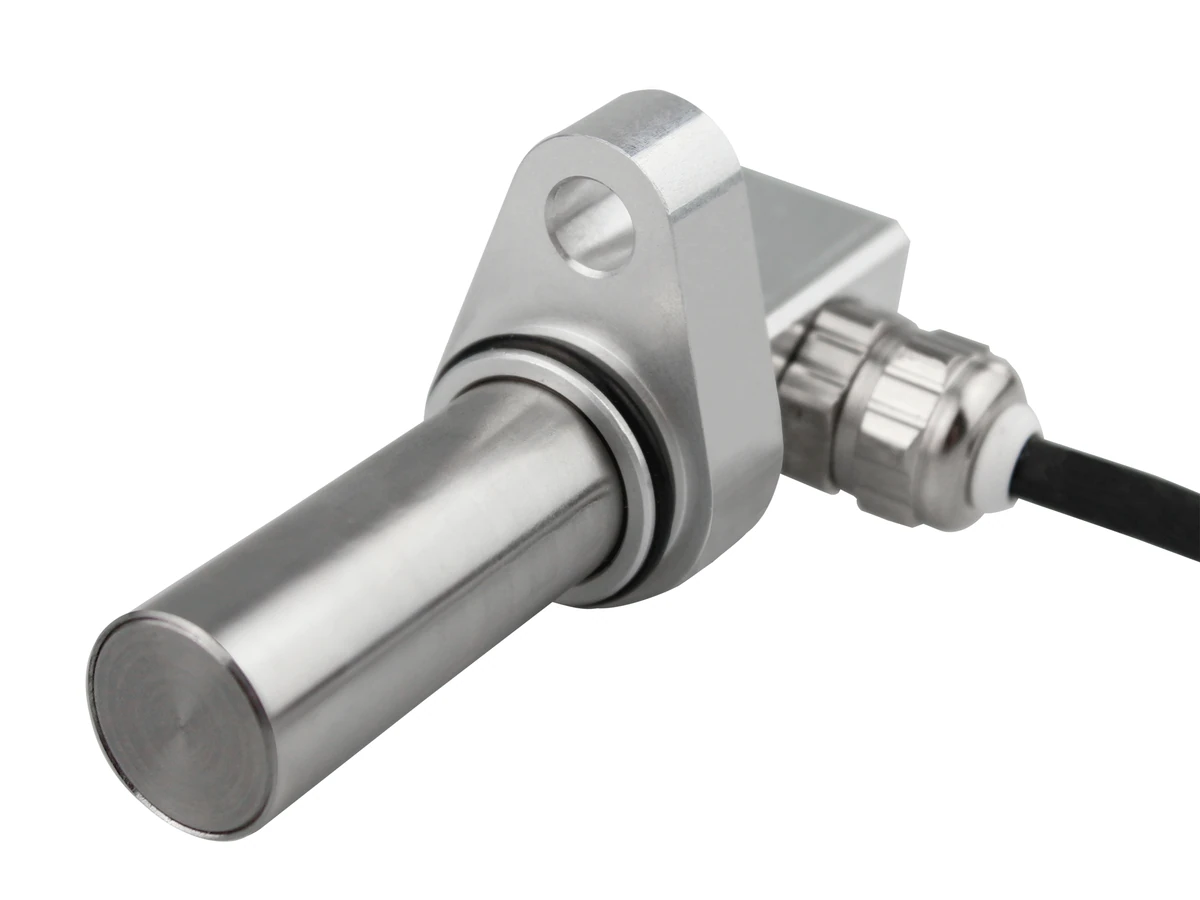
Stainless steel flange, Hall, ship approved
- range0–20 kHz
- housingPaslanmaz çelik flanş
- channels1–2
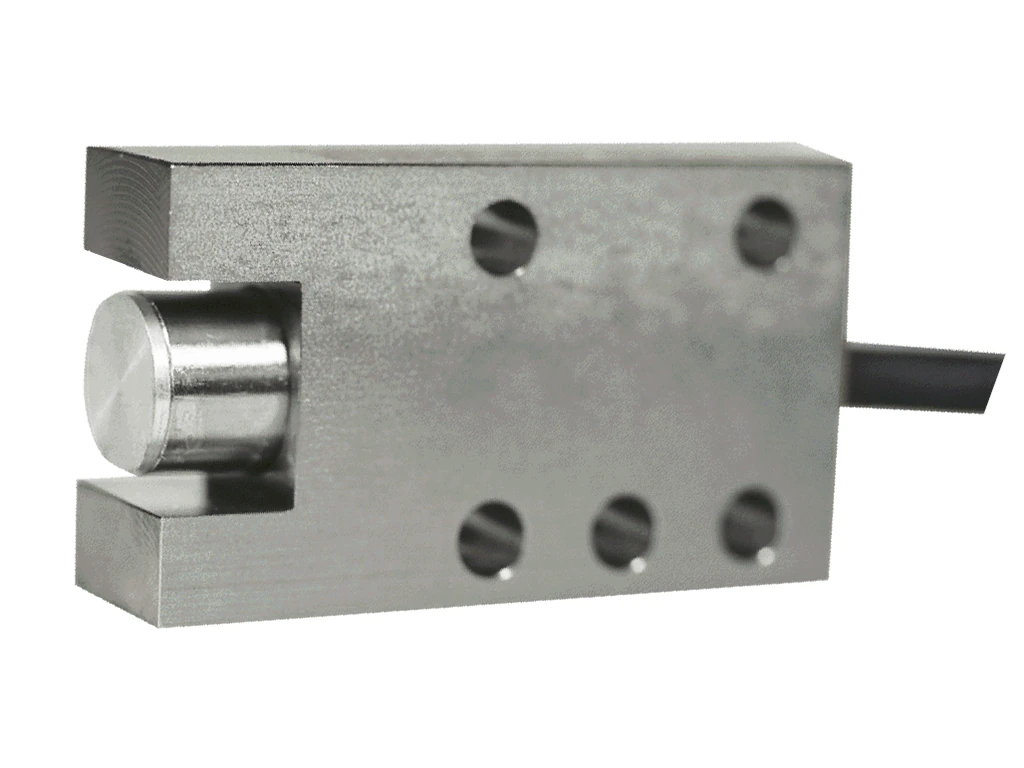
Stainless steel block housing, Hall
- range0–20 kHz
- housingPaslanmaz çelik blok
- channels1–2
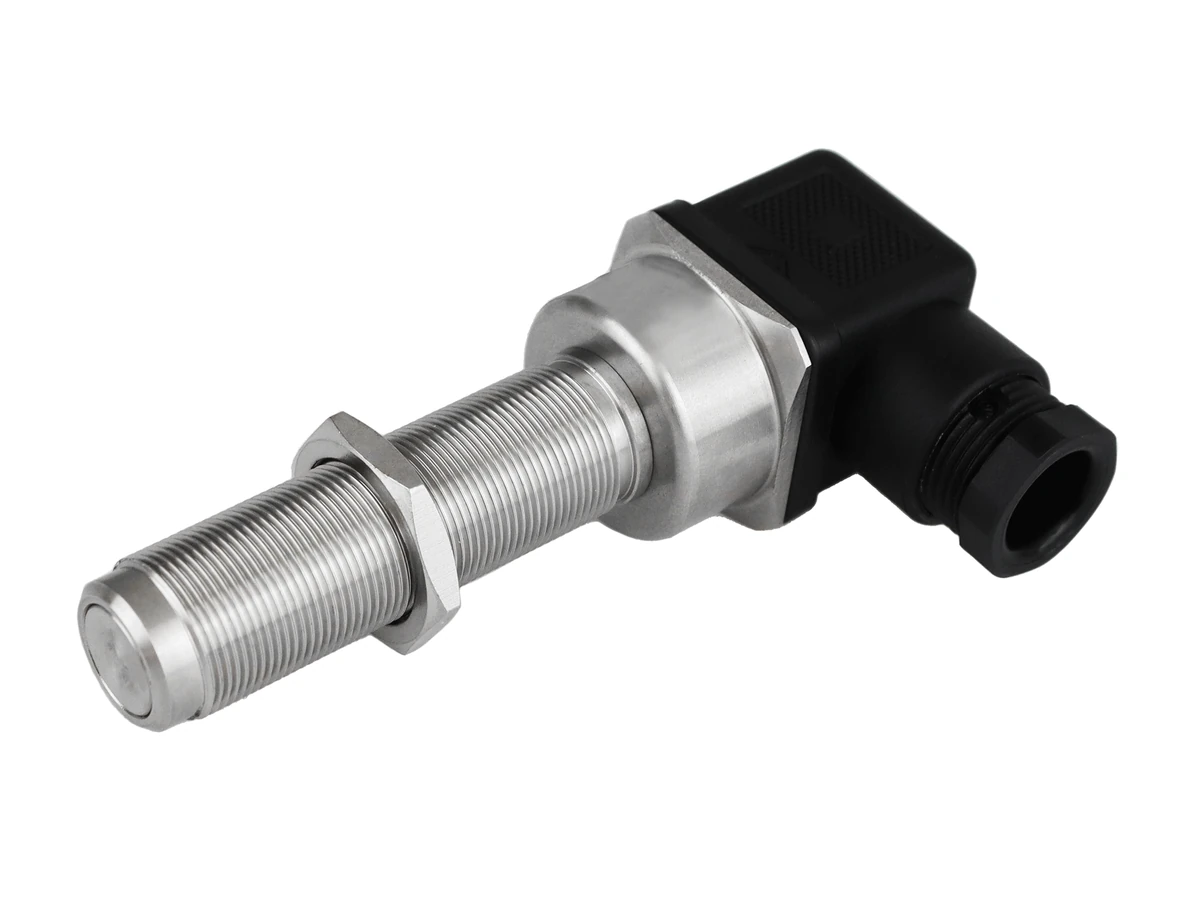
Stainless steel screw-in, Hall / Inductive
- range0–20 kHz
- housingPaslanmaz çelik vidalı
- channels1–2
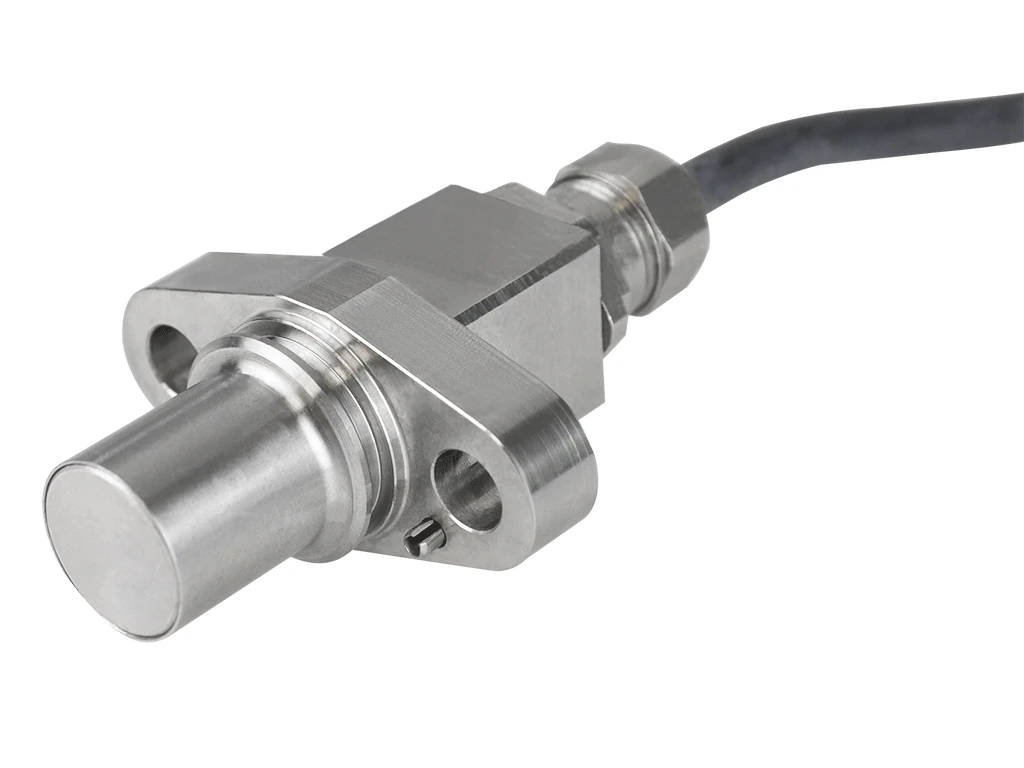
2 channel, magneto-resistive, frequency multiplier
- range0–20 kHz
- housingPaslanmaz çelik flanş
- channels2
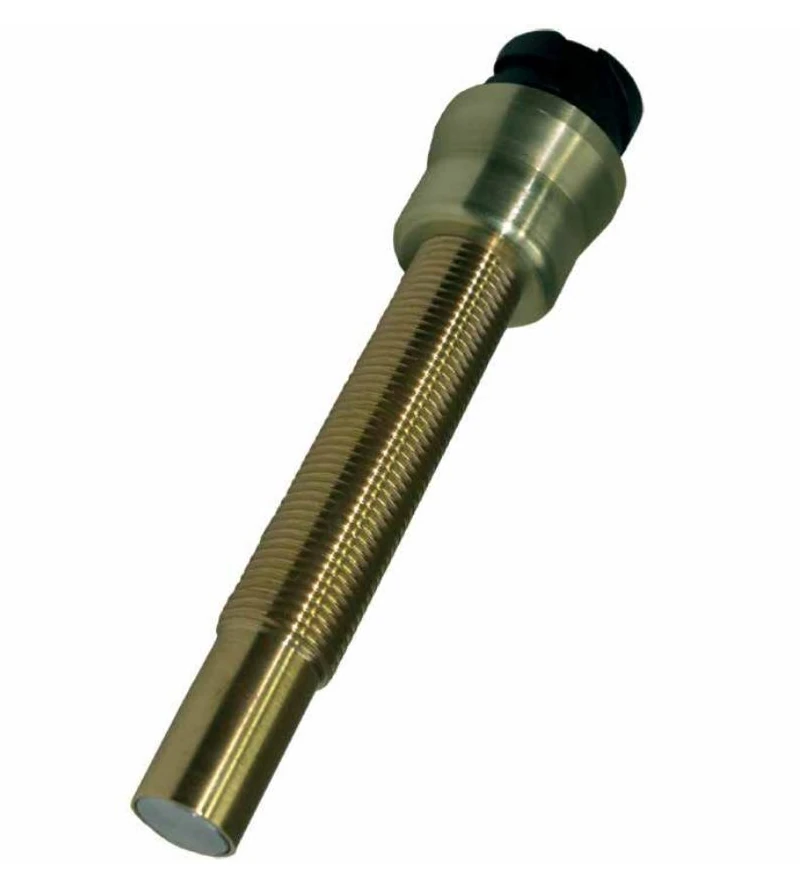
Brass screw-in, Hall / Inductive
- range0–20 kHz
- housingPirinç vidalı
- channels1–2
Why this filter matters
Wide Bandwidth
Operation from 0 to 20 kHz ensures stable signal output at all stages of rotation.
Low Latency
Instantaneous data transmission for critical control loops and ABS systems.
Differential Sensing
High immunity to EMI thanks to the differential Hall-effect principle.