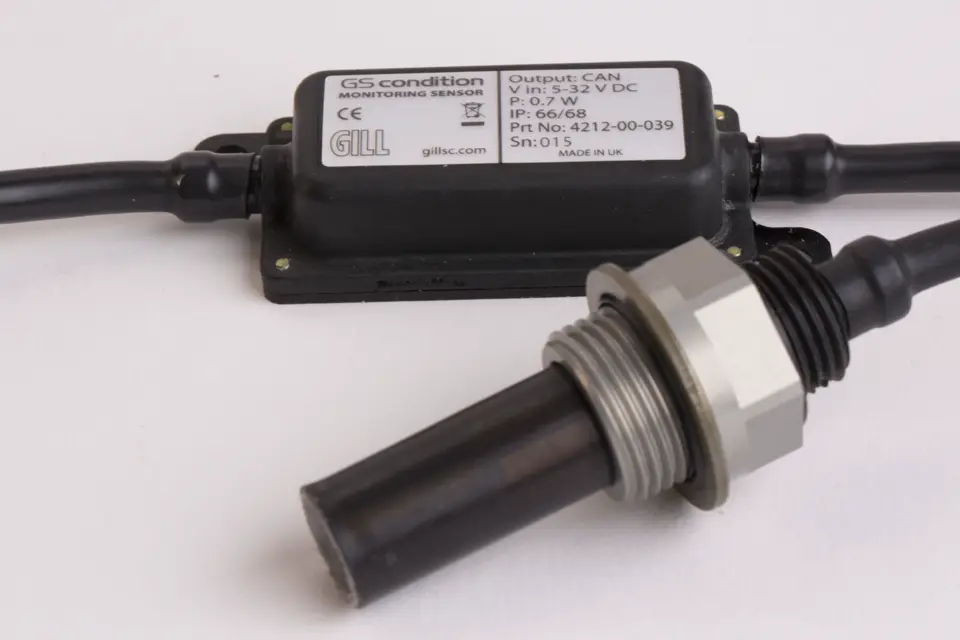
Oil Debris Sensors: Unlocking Predictive Maintenance for Critical Industrial Assets
Oil debris sensors represent a fundamental advancement in condition-based maintenance (CBM), providing continuous, real-time insights into the health of critical rotating machinery. Unlike traditional methods like vibration monitoring, which identify the *effects* of a fault, oil debris sensors directly detect the *cause*: ferrous wear particles suspended in lubricating oil. These microscopic metal fragments are the undeniable evidence of mechanical wear, long before a catastrophic failure manifests as increased vibration or temperature. By capturing the iron particles released from contacting metal surfaces during normal operation or an developing fault, these advanced sensors offer an unparalleled early warning system, often years ahead of what conventional methods can provide. This proactive capability is particularly vital for expensive, slow-speed, and variable-load gearboxes commonly found in demanding industrial environments, making oil debris monitoring a cornerstone of modern CBM strategies.
The principle behind these sensors is simple yet powerful: as components wear, they shed minute ferrous particles into the circulating lubricant. Our sophisticated oil debris sensors continuously monitor the concentration and size distribution of these particles within the oil flow. This real-time data allows operators to track wear progression, identify abnormal wear events, and fundamentally change their maintenance approach from reactive to truly predictive.
Industries that heavily benefit from the integration of oil debris sensors include:
Wind Energy: Main bearings and gearboxes in wind turbines operate under immense, fluctuating loads at relatively slow speeds. Traditional vibration analysis often struggles to provide timely warnings in these applications. Oil debris sensors offer the precise early detection needed to prevent costly downtime and catastrophic failures in these critical assets.
Rail Transportation: Locomotive transmissions, axle reducers, and rolling stock gearboxes are subjected to extreme conditions. Identifying wear particles in their lubricants can prevent derailments, extend component life, and optimize maintenance schedules for entire fleets.
Mining and Heavy Construction: Earthmoving equipment, crushers, and conveyors operate in harsh, abrasive environments. Early detection of wear in drivetrain components, hydraulic systems, and gearboxes is paramount for operational continuity and safety.
Marine Vessels: Propulsion systems, thrusters, and gearbox systems on ships and offshore platforms benefit immensely from continuous oil analytics. Preventing machinery breakdown at sea is not just about cost but also safety and mission critical operations.
Oil and Gas: Pumps, compressors, and pipeline equipment often operate continuously in remote locations. Monitoring oil debris provides crucial health checks, reducing the risk of unplanned outages and ensuring efficient production.
Power Generation: Turbines, generators, and auxiliary equipment in power plants rely on robust lubrication systems. Oil debris monitoring safeguards against unexpected failures that could lead to significant power disruptions.
Key Selection Criteria for Oil Debris Sensors:
Detection Sensitivity: The ability to detect both small and large ferrous particles, providing a comprehensive view of wear progression.
Particle Counting and Sizing: Advanced sensors can not only detect particle presence but also count and size them, offering deeper diagnostic insights.
Continuous Monitoring Capability: Real-time, continuous data acquisition is essential for trend analysis and immediate alerta.
Environmental Robustness: Sensors must withstand the harsh operating conditions typical of industrial applications, including vibrations, temperature fluctuations, and exposure to various fluids.
Integration with Existing CBM Systems: Seamless compatibility with SCADA, DCS, or existing predictive maintenance platforms is crucial for data utilization and actionable insights.
Maintenance Requirements: Look for low-maintenance, self-cleaning designs to minimize operational overhead.
Communication Protocols: Support for industry-standard protocols such as Modbus, Ethernet/IP, or OPC UA for easy data integration.
IMB Electric's Value Proposition:
At IMB Electric, we understand the critical role of uncompromising reliability in industrial operations. We offer a comprehensive range of oil debris sensors designed with precision engineering and robust construction, specifically tailored to meet the rigorous demands of these diverse applications. Our sensors employ cutting-edge technology to deliver highly accurate, real-time data, empowering our customers with actionable intelligence for proactive maintenance. We pride ourselves on providing not just advanced hardware, but also expert support for system integration, data interpretation, and CBM strategy optimization. From initial consultation to ongoing technical assistance, IMB Electric is your trusted partner in maximizing asset uptime, reducing operational costs, and extending the lifespan of your valuable industrial machinery through the power of intelligent oil debris monitoring. Choose IMB Electric for superior performance, reliability, and peace of mind in your predictive maintenance endeavors.